
“Great people and great place to do business!”
– Richard de Leon

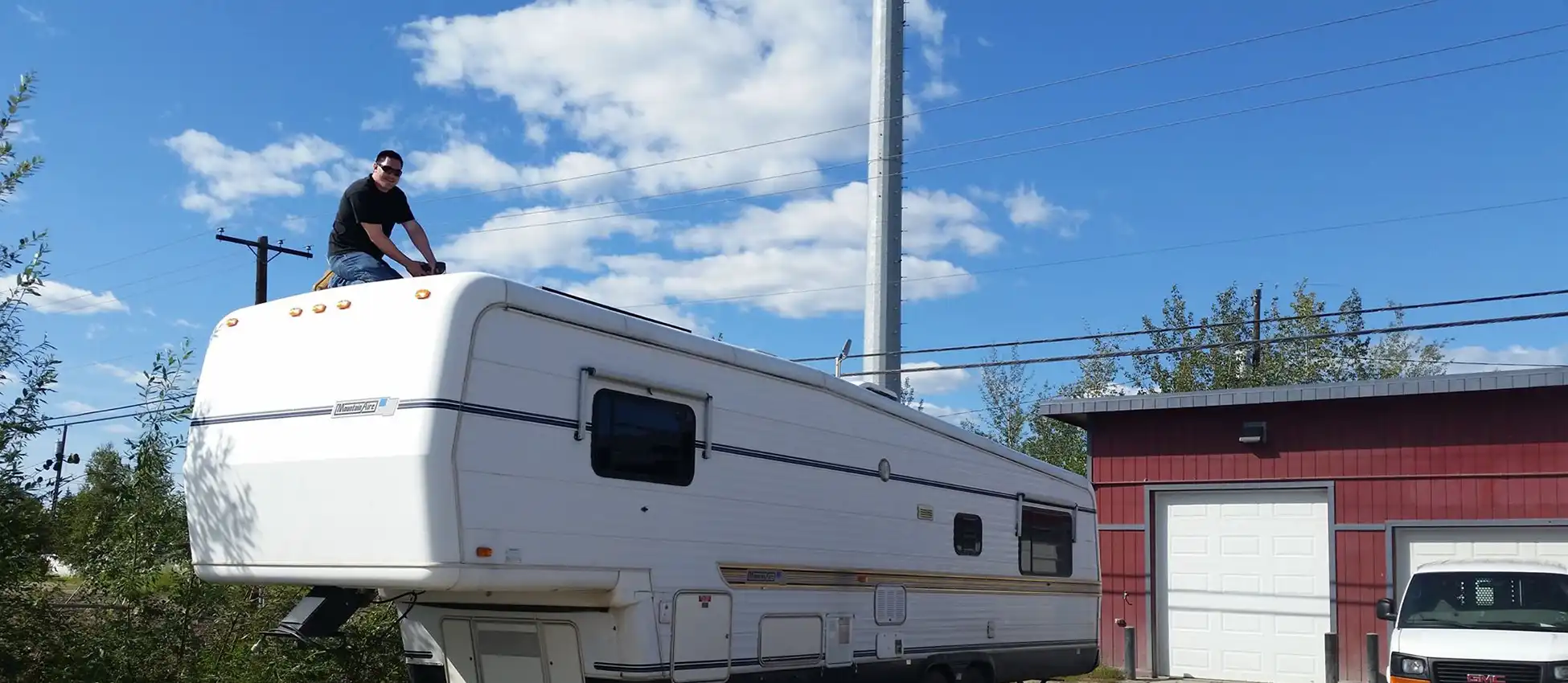
Reliable power looks different when the utility grid ends.
Renewable Solutions (RES) designs integrated remote and off-grid energy systems for homes, businesses, facilities, infrastructure, cabins, RVs, boats and other applications throughout Alaska. Every system starts with the same question: How does energy need to work for you, in this location, under these conditions?
From a full-time home beyond utility service to critical equipment at a remote worksite, the right solution depends on how much energy you use, when you use it, what energy resources are available and how much backup capacity you need.
A remote energy system supplies power where conventional utility electricity is unavailable, unreliable or impractical for the application.
Depending on the site, that system may combine solar generation, battery storage, generators, wind energy, electrical infrastructure, controls and monitoring. Each component has a role. The complete system is designed to generate, store, manage and deliver energy according to the customer’s actual loads and operating requirements.
For some customers, that means running a remote home year-round. For others, it means reducing generator runtime at a commercial site, keeping essential equipment operating in a rural location or creating a compact power system for an RV or boat.
The right design begins with the application rather than a predetermined technology.
Remote energy can solve very different problems. RES evaluates the location, loads and operating priorities first, then determines which technologies make sense together.

Power reliability can become an operational issue when a site is far from conventional infrastructure.
Remote businesses, lodges, communications facilities, industrial sites, community facilities and other infrastructure may need energy systems designed around:
Essential and critical loads
Generator integration and fuel use
Battery energy storage
Renewable generation
Equipment startup loads
Redundancy and backup requirements
Remote monitoring
Seasonal operating patterns
Site access and maintenance logistics
Long-term serviceability
For commercial and infrastructure applications, the objective is a system that supports the operation. Renewable generation, storage, controls and conventional generation can be integrated according to the site’s reliability, operating and lifecycle requirements.

Living beyond dependable utility service requires careful energy planning.
A system for a year-round home may need to support heating equipment, refrigeration, water systems, lighting, communications and other daily loads throughout changing seasons. A recreational cabin used periodically may have a very different energy profile.
RES designs remote residential systems around factors such as:
Understanding these factors before selecting equipment helps create a system suited to how the property will actually be used.
Off-grid energy can move with you.
Solar, batteries, charging equipment, inverters and other components can provide energy for RVs, boats and mobile applications where access to shore power or conventional electrical service may be limited.
The system should be designed around what you need to operate, how long you expect to be away from an external power source and how the batteries can be replenished.
Depending on the application, RES can help evaluate power for needs such as:
For mobile applications, space, weight, charging sources, available solar area and expected energy use all influence system design.
Reliable off-grid power depends on how the parts of the system work together.

Solar panels can generate electricity whenever adequate solar energy is available. In an off-grid system, that electricity may serve active loads while also replenishing battery storage.
System design needs to account for seasonal solar availability, site orientation, shading, snow conditions and the customer’s energy requirements.

Batteries store energy so it can be used when generation is unavailable or insufficient.
Battery capacity is determined by the loads the system needs to support, desired operating time, charging strategy and other site-specific requirements. Battery technology, operating temperature and installation environment also matter.

Generators can provide an additional energy source during periods of high demand, limited renewable generation or extended operation.
In a hybrid system, renewable generation and battery storage may work alongside an existing or new generator. Controls can coordinate how these resources operate together according to the system design.

Some locations may support additional renewable resources such as wind.
Resource availability and site conditions determine whether another generation technology adds practical value to the system. RES evaluates the energy requirement first and selects technologies accordingly.

Generation and batteries are only part of a functioning energy system.
Inverters, charge controllers, switching equipment, electrical infrastructure and system controls determine how power is converted, distributed and managed. Proper integration is especially important when solar, batteries and generators need to operate as one system.

Remote monitoring can provide visibility into system performance and help identify operating or maintenance issues.
For difficult-to-access locations, that visibility can be particularly valuable when planning service and troubleshooting.
One of the most important steps in designing off-grid power happens before equipment is selected: understanding how much energy the customer actually needs.
RES evaluates factors such as:
What Needs Power? A communications site, home, lodge and RV have very different loads.
Which Loads Are Critical? Some equipment must operate continuously. Other loads can be shifted, reduced or temporarily turned off.
When Is Energy Being Used? A facility operating around the clock requires a different strategy than a seasonal cabin occupied on weekends.
How Long Should the System Operate Without Renewable Generation? Battery capacity, generator support and system controls depend in part on the desired level of autonomy and redundancy.
Could the Load Change in the Future? Adding equipment, expanding a facility or moving from seasonal to full-time use can substantially change system requirements.
Good remote power design matches energy supply to real demand.
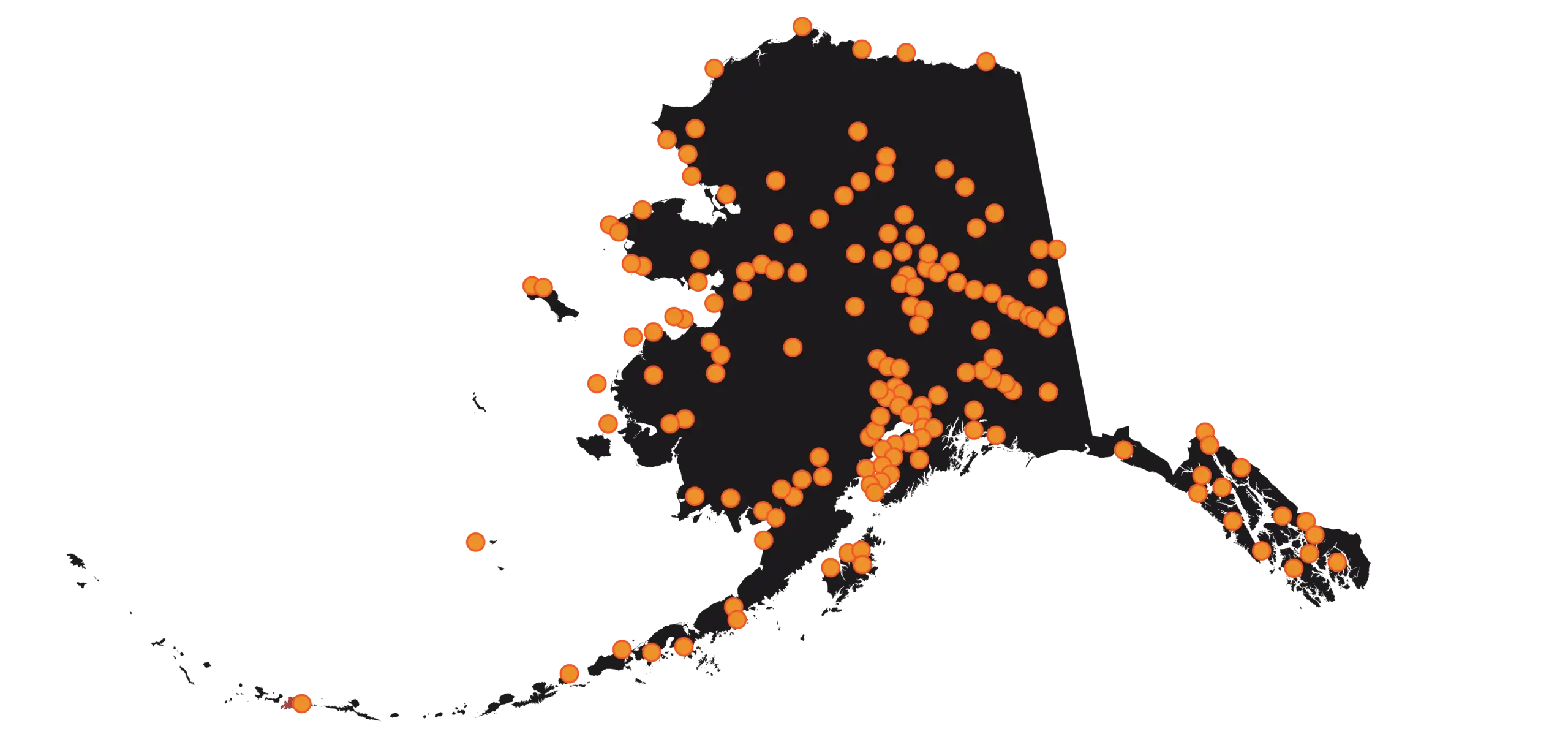
A system that works well in one part of Alaska may require a different configuration somewhere else.
RES considers how the project’s location affects the entire energy strategy.
Many remote applications use several energy technologies together.
A hybrid energy system might combine:
Each resource serves a purpose.
Solar or wind may provide renewable generation when the resource is available. Batteries can store energy and respond to changing loads. Generators can provide additional capacity or backup. Controls coordinate how those resources interact.
The ideal combination depends on the customer’s energy requirements, location, operating conditions and tolerance for interruption.
Remote systems require planning beyond equipment selection.
RES provides turnkey renewable and hybrid energy system services that may include:
The specific scope depends on the project.
RES has designed, installed and supported renewable and hybrid energy systems in Alaska since 2006, with experience serving urban, rural and remote applications.
In many parts of Alaska, solar is part of a broader system that includes storage, backup generation, and load management.
Renewable Solutions (RES) designs integrated energy systems for remote homes, villages, and infrastructure—built to operate reliably in extreme and variable conditions.
Every remote site presents a different combination of energy demand, climate, access, infrastructure and operating requirements.
RES brings those variables together to design renewable and hybrid energy systems for Alaska homes, businesses, infrastructure and mobile applications.
Whether you are planning power for a rural facility, building an off-grid home, upgrading a cabin or preparing an RV or boat for longer periods away from conventional power, start with the energy requirement.
We will help determine what needs to work together to meet it.
For commercial and institutional clients, solar functions as long-term infrastructure—supporting predictable energy costs, operational resilience, and sustainability goals.
From cabins and lodges to remote facilities, we design reliable energy solutions tailored to your location, goals, and long-term power needs.
Useful starting information includes your project location, what equipment needs power, expected energy use, seasonal or year-round operation, existing electrical equipment, available generators or charging sources and your priorities for backup and reliability. RES can use that information to help determine what additional site assessment or system planning is needed.
Solar can contribute to battery charging and onboard electrical needs in marine applications. The appropriate system depends on the vessel, available installation area, electrical loads, battery system and other charging sources.
Yes. RES works with RV and mobile power applications. System design can account for available installation space, expected loads, battery capacity and available charging sources.
Yes. Cabin systems can be designed around seasonal or year-round use, expected electrical loads, available renewable resources, battery storage and backup power requirements.
Yes. RES works with residential, commercial and remote applications and can evaluate renewable generation, battery storage, generator integration, electrical infrastructure, controls and ongoing support as part of a complete system.
Yes. Generators are commonly integrated with batteries and renewable generation in hybrid power systems. The system can be designed so each energy source supports the site’s operating requirements.
Most fully off-grid solar applications require some form of energy storage or another source of power for times when solar generation cannot meet the load. The appropriate battery capacity depends on energy use, desired autonomy, seasonal conditions and the overall system configuration.
Solar can be part of an Alaska off-grid energy system, but system design needs to account for location, seasonal solar availability, electrical loads and the other energy sources available at the site. Battery storage and generator backup may also be incorporated depending on the application.